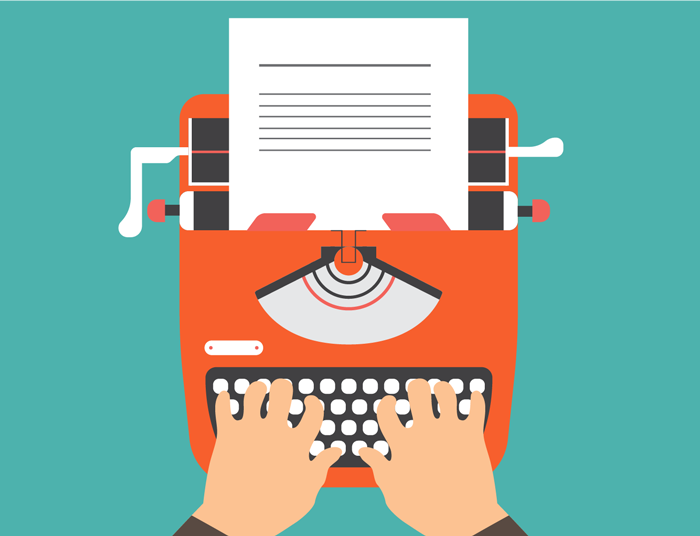
“How often have you written something that feels great but gets no engagement?”

“The key to impactful copywriting is knowing exactly who you’re writing for. This article will show you how to identify your audience and write copy that truly resonates.”
Section 1: How Generic Copy Fails
How Writing for “Everyone” Leads to “No One”
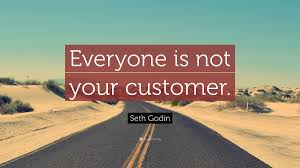
Writing for everyone is like shouting into a crowd believe me nobody listens. Generic copy doesn’t address specific problems or aspirations. Let’s compare:
- Generic: “Our product is for everyone!”
- Specific: “Our product is perfect for solopreneurs managing tight schedules.”
Which one sounds more relatable?
When you try to write for everyone, your message becomes diluted. Instead of creating a connection, you end up with missed opportunities, low engagement, and a brand that feels generic. Let’s fix that.
Section 2: How to Identify Your Target Audience
How to Start with Research

Let’s begin with your existing customers. Who are they? Analyze their behavior using tools like Google Analytics or CRM software. For instance, if your customers are mostly young professionals, your copy should reflect their lifestyle and challenges.
nother goldmine? Social media and forums. Where does your audience hang out? What are they talking about? Join the conversation and listen to their needs.
How to Create a Persona
Let’s put a face to your audience. Imagine one ideal customer and build a profile:
- Name: Sarah
- Age: 30
- Profession: E-commerce business owner
- Goal: Learn copywriting to boost sales through email marketing
- Challenge: Struggling to write compelling calls-to-action
When you write, picture Sarah reading your copy. What would make her say, “Yes! This is exactly what I need”?
Section 3: How to Write Copy That Resonates
Now that you know who you’re talking to, let’s focus on how to talk to them.

1. Speak Their Language
Think about your tone. If you’re targeting tech-savvy millennials, casual and witty might be the way to go. For example, instead of saying, “Our tool improves productivity,” try, “Level up your workflow and get more done in less time.”
2. Address Their Pain Points and Aspirations
People want solutions to their problems and pathways to their dreams. So, if Sarah struggles with writing compelling calls-to-action, you might say: “Struggling to keep your customers engaged? Our tools help you write emails that convert.”
3. Focus on Benefits, Not Features
Features tell, but benefits sell. Instead of, “Our platform integrates with social media,” say, “Spend less time switching between apps and more time growing your business.”
4. Test and Improve
Here’s where the magic happens. Test your copy to see what works. Try two versions of a headline or call-to-action and see which one gets better results. For example, does “Learn Copywriting Today” outperform “Master Copywriting to Boost Sales”? The results will guide you
Section 4: How Successful Brands Target Their Audiences
How Nike Inspires Action
Audience: Fitness enthusiasts and athletes.
- Copy Example: “Just Do It” inspires ambition and perseverance.
How Grammarly Solves Problems
Audience: Students, professionals, and writers.
- Copy Example: “Write with confidence” addresses the fear of making writing mistakes.
How Successful Brands Get It Right
Let’s look at a few examples of brands that nail audience targeting:
- Nike: Their iconic “Just Do It” speaks to athletes and fitness enthusiasts, inspiring them to push their limits.
- Grammarly: Their message, “Write with confidence,” connects with students, professionals, and writers who want error-free communication.
- Local Bakery: A small business might use, “Made fresh daily for busy parents who love quality treats,” to attract their ideal customers.
Do you notice how these examples feel personal? That’s the power of targeted messaging.
Section 5: How to Take Action Now
It’s time to put what you’ve learned into practice. Here’s your action plan:

1. Define Your Niche
Instead of targeting “everyone,” focus on a specific group. For instance, write for “female entrepreneurs in wellness” instead of “business owners.”
2. Build a Persona
Use data, surveys, and feedback to create a detailed profile of your ideal customer. Remember Sarah? Make her real in your mind.
3. Refine Your Copy
Revisit your messaging. Replace generic phrases with language that speaks directly to your audience.
4. Measure Your Success
Monitor metrics like engagement rates, conversions, and sales to see what works..
Frequently Ask Question
Q1: What is a target audience, and why is it important in copywriting?
A target audience is the specific group of people most likely to buy your product or service. Understanding them ensures your copy resonates, leading to better engagement and higher conversions.
Q2: How do I research my target audience?
Start by analyzing existing customers using tools like Google Analytics or CRM software. Explore forums and social media to learn about their needs and preferences.
Q3: What is a customer persona, and how do I create one?
A persona is a detailed profile of your ideal customer, including demographics, goals, and challenges. Create one by gathering feedback, surveying customers, and studying behaviors.